The Geography of the Wedge
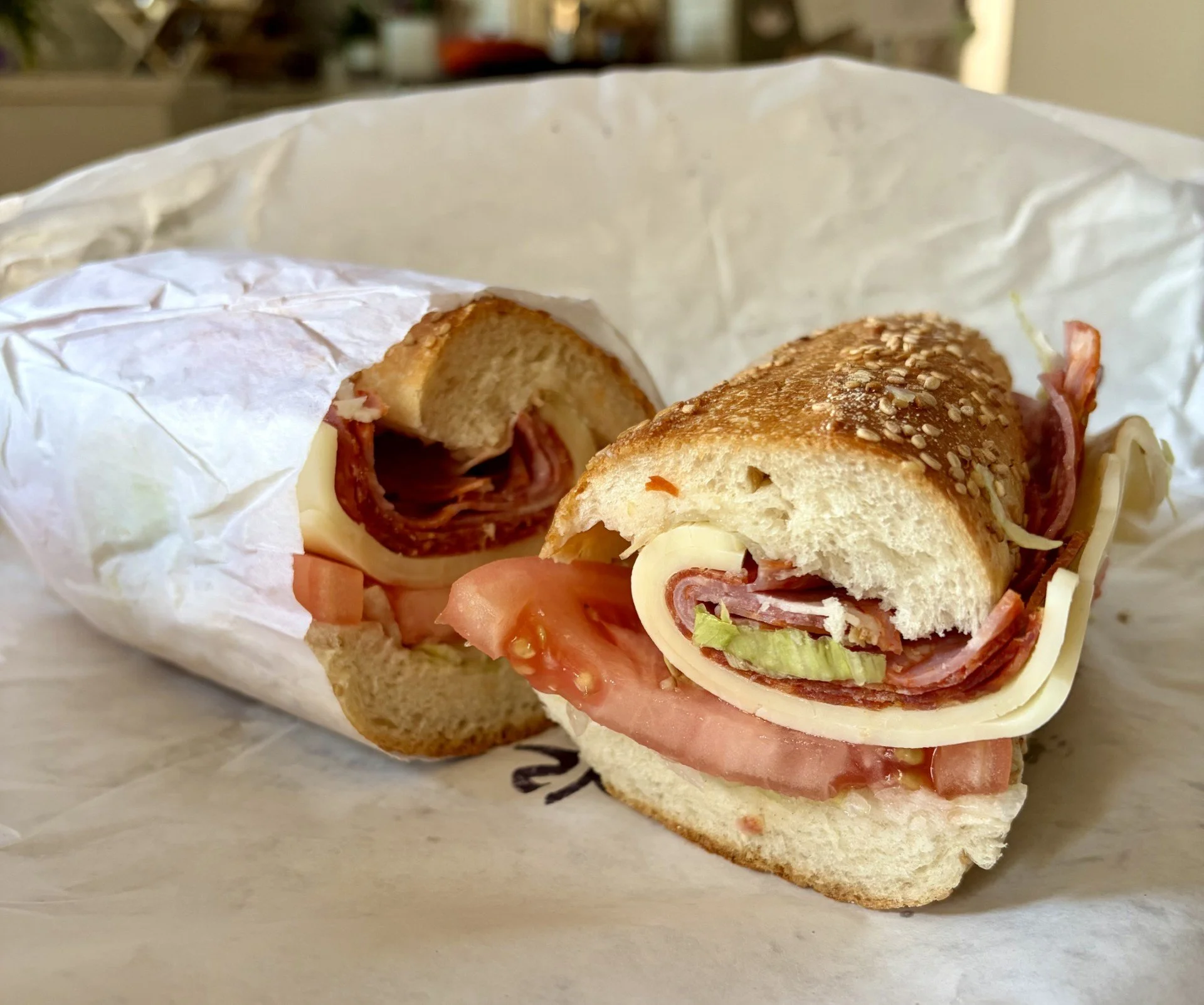
I don’t have to travel too far to get some side-eye when I order a sandwich with my native slang. I’m specifically talking about the sandwich type most known in the United States as a “sub” or “submarine.” For me, it’s always been called a “wedge”.
My understanding has been that this term is used in a very small area including parts of Westchester (New York) and Fairfield (Connecticut) counties. These are two suburban counties north of New York City.
I’ve also been told stories about how the term came to be. One of the claims is that an immigrant, or group of immigrants, mispronounced the word “sandwich”, with the “wich” part sounding like “wedge.” Another claim refers to the way the bread is sliced and filled (i.e., the fillings are wedged in the bread.)
I’m not here to tackle the word’s origins, except to say that its use goes back to at least the 1930s, and it has a strong connection to the Italian-American community. What I am here to do is confirm what I’ve been told about the geographic distribution of the word’s use.*
Mapping it Out
Where We Say Wedge
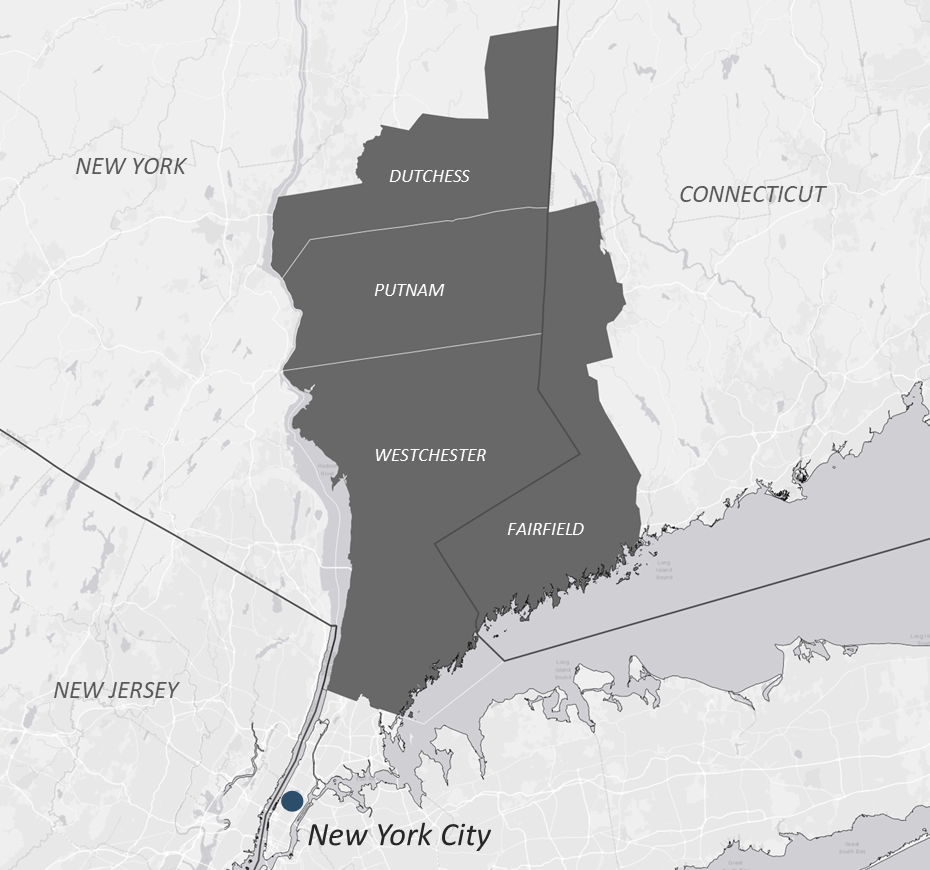
Turns out, the word is used further up the Hudson Valley in New York than I thought. You can find people saying wedge through Putnam County and into Dutchess County, south of Poughkeepsie.
In Connecticut, its use is limited to western Fairfield County. It follows the I-95 corridor to around Norwalk and extends north along the New York State border to New Fairfield, just past Danbury.
The New York City/Bronx boundary to the south of Westchester, as well as the Hudson River to the west, form hard boundaries in those directions. I couldn’t find examples beyond these borders. If you know of any, please let me know. I’m happy to update this map.
Throughout the area, the use of the word is not ubiquitous. You might find places selling “subs” or “heroes” next door to a place where you can get a wedge. This is especially true as you head north and east, away from southern Westchester, where its use is most concentrated.
But I’ve never had a problem ordering a wedge in a place where they don’t use that term on the menu. I guess we’re multilingual when it comes to this.
Another Bite at the Wedge
The Italian-American connection persists today. It’s evident in what seems to be the majority of places using the term are either Italian-American delis or pizzerias. But it’s definitely not exclusive to them. For example, there’s a fried chicken restaurant and a bagel shop near me that both use the word.
Nonetheless, there’s a good chance this term might fade away as populations come and go. But you never know. There’s a Mexican deli/restaurant in my town that is carrying on the wedge tradition from the location’s prior Italian tenant. You’ll find wedge on their menu, right next to tortas, tostadas, and tamales.
If this place is a sign of anything, it might demonstrate that the wedge has a few more bites left.
*A similar map is available in the book Speaking American: How Y’all, Youse, and You Guys Talk: A Visual Guide by Josh Katz. My map is based on my research. Comparing the two, they’re largely in agreement.